





.svg)


Jarrad Sonnenberg

October 15 2026

.png)
Mining companies invest heavily in equipment, people and production. But what about the inefficiencies happening behind the scenes?
Running a mining operation is expensive, and with continued pressure on operating costs, companies are looking closely at where they can improve efficiency without compromising production. While equipment performance, labour and production costs are closely monitored, there are other areas of the business where inefficiencies can go unnoticed. Procurement delays, inaccurate inventory records, disconnected financial reporting and manual approval processes can all affect the bottom line.
These aren't necessarily major operational failures. Often, they're small problems that have become part of the way a business operates. Over time, however, they add up.
Consider something as routine as ordering a replacement part for a piece of equipment. The maintenance team identifies what is needed, procurement processes the request, finance approves the expenditure and someone coordinates delivery to the site. On paper, it's a straightforward process. But what happens when inventory records aren't accurate, an approval sits in someone's inbox or the purchasing team doesn't have visibility into the maintenance schedule?
The result can be unnecessary delays, duplicate purchases or equipment sitting idle longer than expected. Similar challenges exist across financial reporting, inventory management and day-to-day operations. When departments rely on separate systems or spreadsheets, even simple tasks can require multiple people and additional administrative work.
For mining companies operating across several locations, these problems become even harder to manage.
Most mining companies already have technology in place to manage their operations. The question is whether those systems are working together effectively. An ERP system should do more than manage financial transactions. It should give the business a reliable view of what's happening across finance, procurement, inventory, maintenance and operations.
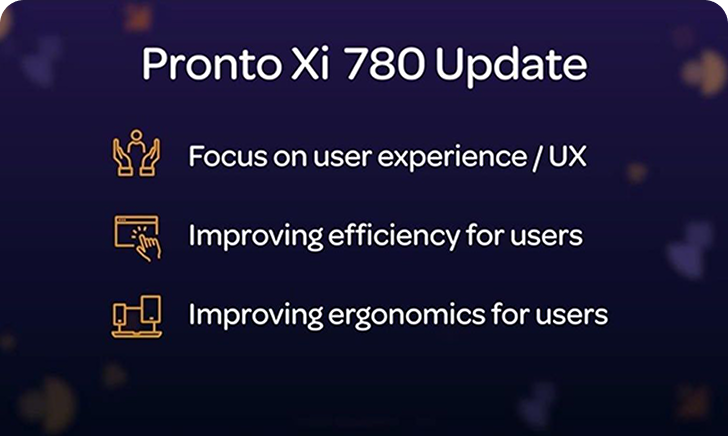
Pronto Xi brings these functions together in one integrated platform, helping mining companies manage their day-to-day activities without relying on multiple disconnected systems. For finance teams, that means better visibility into costs and expenditures. For maintenance teams, it means having access to equipment and inventory information when planning work. For procurement, it means understanding purchasing requirements and stock availability across the business. And for management, it means having access to information they can use to make decisions without waiting for reports to be pulled together manually.
One of the biggest concerns companies have when considering a new ERP system is the implementation itself. Replacing an existing platform can seem like a major undertaking, particularly for mining companies that can't afford unnecessary disruption to their operations. But the process doesn't always need to be as complicated or time-consuming as expected.
At PSA, we've worked with mining companies to implement Pronto Xi in a way that reflects how their businesses actually operate. Our team has delivered a mining ERP implementation in approximately four months, helping the organization establish the systems it needed without a prolonged implementation process. Every business has different requirements, but with the right planning, experienced consultants and a clear understanding of operational priorities, an ERP implementation can be far more manageable than many organizations anticipate.
Even with a well-implemented ERP system, there are opportunities to improve how work moves through an organization. Purchase approvals, requisitions, reporting and other routine activities can still involve unnecessary manual steps. PSA works with businesses to identify where these processes can be improved, whether through better use of Pronto Xi functionality, system integrations or additional automation.
Solutions such as Tekton OS can help organizations manage workflows and approvals more effectively, reducing the amount of time employees spend following up on routine tasks. For mining companies with teams working across offices, remote sites and different departments, these improvements can make a noticeable difference in day-to-day operations.
There is no shortage of technology available to mining companies. The challenge is choosing solutions that address real operational needs and deliver value to the business. A new ERP system won't solve every problem, but the right platform, implemented properly, can help eliminate many of the inefficiencies that slow businesses down. At PSA, our focus is on helping mining companies make better use of Pronto Xi, whether they're implementing ERP for the first time, replacing an older system or looking to improve an existing environment.
We understand that mining businesses need reliable systems, practical solutions and experienced support. They don't need additional complexity.
Stay ahead of the curve with real-world insights, tips, and stories from the frontlines of ERP in mining and beyond. Follow us on LinkedIn and join the conversation.
.png)
Just Now
.svg)
Maecenas bibendum rhoncus tellus facilisis. Dui ut risus vel ridiculus arcu cursus. Lectus eget a non nulla Dui ut risus.
.png)
.png)
Just Now
Maecenas bibendum rhoncus tellus facilisis. Dui ut risus vel ridiculus arcu cursus. Lectus eget a non nulla Dui ut risus.
.png)
.png)
Just Now
Maecenas bibendum rhoncus tellus facilisis. Dui ut risus vel ridiculus arcu cursus. Lectus eget a non nulla Dui ut risus.
Just Now
Maecenas bibendum rhoncus tellus facilisis. Dui ut risus vel ridiculus arcu cursus. Lectus eget a non nulla Dui ut risus.
Just Now
Maecenas bibendum rhoncus tellus facilisis. Dui ut risus vel ridiculus arcu cursus. Lectus eget a non nulla Dui ut risus.
Just Now
Maecenas bibendum rhoncus tellus facilisis. Dui ut risus vel ridiculus arcu cursus. Lectus eget a non nulla Dui ut risus.
PSA brings mining fluency, structured implementation, and global capability to ensure your system performs under pressure.
Make the right move. We’re ready when you are.
© 2026 Pronto Solutions Alliance Inc.Privacy Policy


.png)
.png)


.svg)
